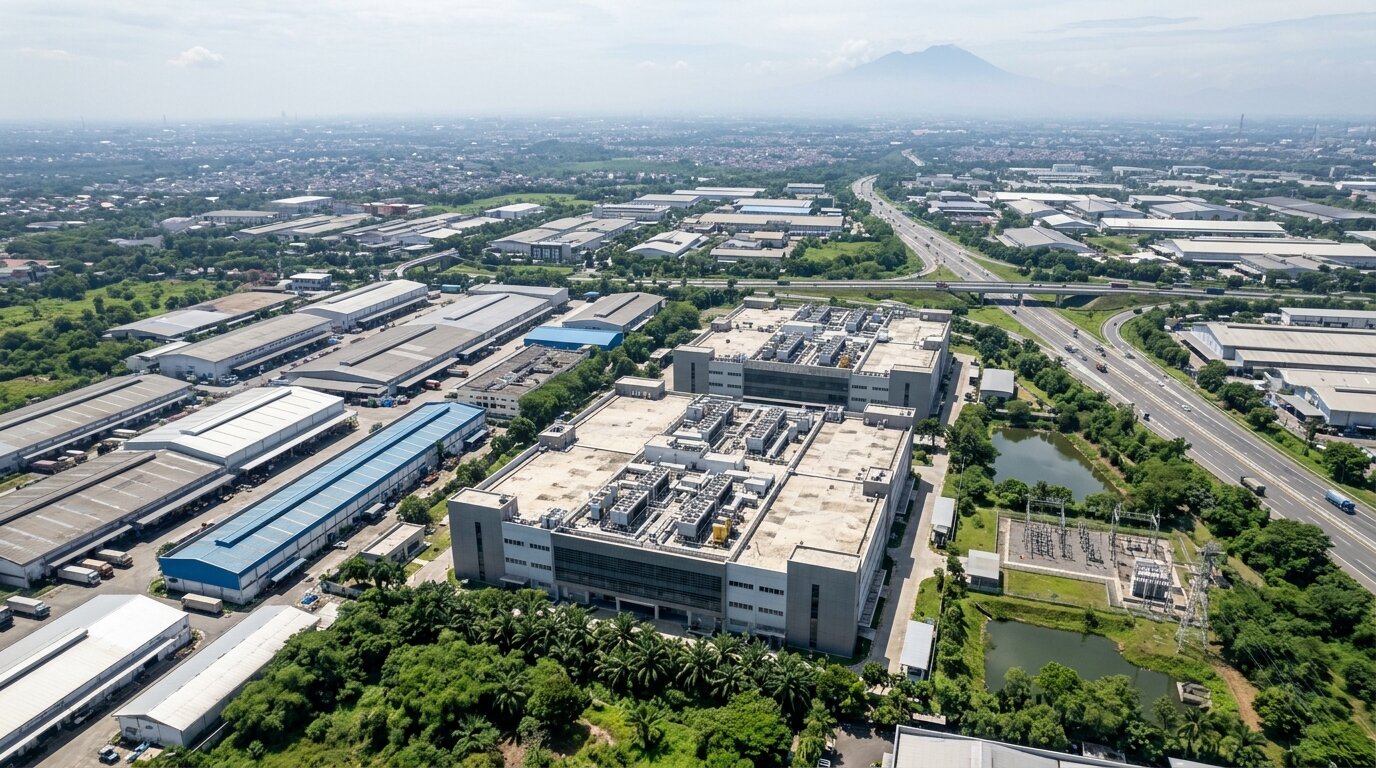
Data centres in Jakarta and West Java
Indonesia's busiest data centre market runs from the capital out through the industrial belt to the east. Demand here is proven. The contest is for land that comes with power.
Greater Jakarta is where most of Indonesia's data centre capacity already sits. The capital is home to the head offices of the country's banks, telcos and digital platforms, to the ministries of central government, and to the cloud regions that global providers run in Indonesia. For a hyperscale or AI buyer, or a colocation operator chasing enterprise customers, being close to that demand and to the carriers that serve it still counts.
Most new building happens outside the city itself, in the industrial estates of Bekasi, Cikarang and Karawang, and on the edges of Bogor and Tangerang. Estates offer serviced plots, internal roads, drainage and an operator that has hosted large industrial tenants before. They also offer competition. Every developer in the market is looking along the same corridor.
That is why we test a West Java site on Grid before anything else. Here, land with a firm power date is the scarce resource, not land itself. We look at both together, and we tell you early if a plot that looks right on a map will not be energised in time.
Where Jakarta sits
Indonesia's deepest data centre cluster, spread across Jakarta and the industrial estates of Bekasi, Cikarang and Karawang, within reach of customers, carriers and cloud regions.
Why build in Jakarta
Demand on the doorstep
Banks, telcos, digital platforms, government and the cloud regions are all here. Latency to most Indonesian users is low, and the pool of colocation customers is the deepest in the country.
Networks converge here
Carriers, internet exchanges and the main fibre routes meet in Jakarta. A new campus in the corridor can usually reach several networks without long new builds.
Estates that know industrial tenants
Estate operators east of the city provide serviced land, security and utilities, and many have hosted data centres already. That makes the local side of Government more predictable.
A deep supply chain
Electrical contractors, mechanical engineers, equipment suppliers and experienced operations staff are easier to find here than anywhere else in Indonesia.
What to watch
Grid timing
Two plots a few kilometres apart can face very different connection dates. We map substation capacity first. Read why the grid comes before the land.
Flood and drainage
Parts of Greater Jakarta and the coastal lowlands flood in heavy rain. Platform levels, drainage and access roads need checking against flood history, not just a zoning map.
Competition for plots
Plots with good power are taken quickly and prices move. Fast, thorough due diligence on the land is what keeps a good site from slipping away.
The six Gs in Jakarta
Mostly serviced plots inside industrial estates, on HGB that sits over the estate's HPL. We check the title chain, the remaining term, estate rules and room for later halls.
The deciding factor in this market. We map nearby PLN substations, their spare capacity and the route and timing for a new connection before land is secured.
Carriers, cloud on-ramps and an experienced supply chain make high-density AI halls practical. The design still has to plan for liquid cooling in a hot, humid climate.
Large phased loads are possible on the Java grid with early planning alongside PLN. Clean power usually comes through PLN's renewable energy certificates, because land for on-site generation is scarce.
Licensing runs through OSS, with building approval (PBG) and environmental approval set by the project's scale. Estates that have hosted data centres make the local steps easier to plan.
The largest pool of customers and off-takers in Indonesia. Anchor demand is easier to secure here than anywhere else, which strengthens the case for each new phase.
Questions we're often asked
Why are most data centres in Indonesia around Jakarta?
Because the customers are there. Jakarta hosts the head offices of most large Indonesian companies, the central government and the country's cloud regions, and carriers meet in the city. Building close to that demand keeps latency low and makes customers easier to sign.
Where around Jakarta do data centres get built?
Mostly in the industrial estates east of the city, around Bekasi, Cikarang and Karawang, and on the southern and western edges towards Bogor and Tangerang. The right spot depends on power, flood risk and fibre as much as distance from the centre.
Is there enough power in West Java for AI data centres?
The Java-Madura-Bali grid is the largest in the country, but capacity at individual substations varies. Large AI loads need an early conversation with PLN about connection size and timing. See Grid and Gigawatts.
Can a foreign company buy a plot in an industrial estate?
A foreign-owned company (PT PMA) cannot hold freehold, but it can hold land on HGB, a right to build. Inside estates, that HGB usually sits over the estate's own management right (HPL), so the estate's terms matter too. See our glossary.
Should we build in Jakarta or Batam?
It depends who the capacity serves. Jakarta suits Indonesian enterprise and government demand; Batam suits regional demand that wants to be near Singapore. We compare the two in Batam or Jakarta?
Further reading
5 min read
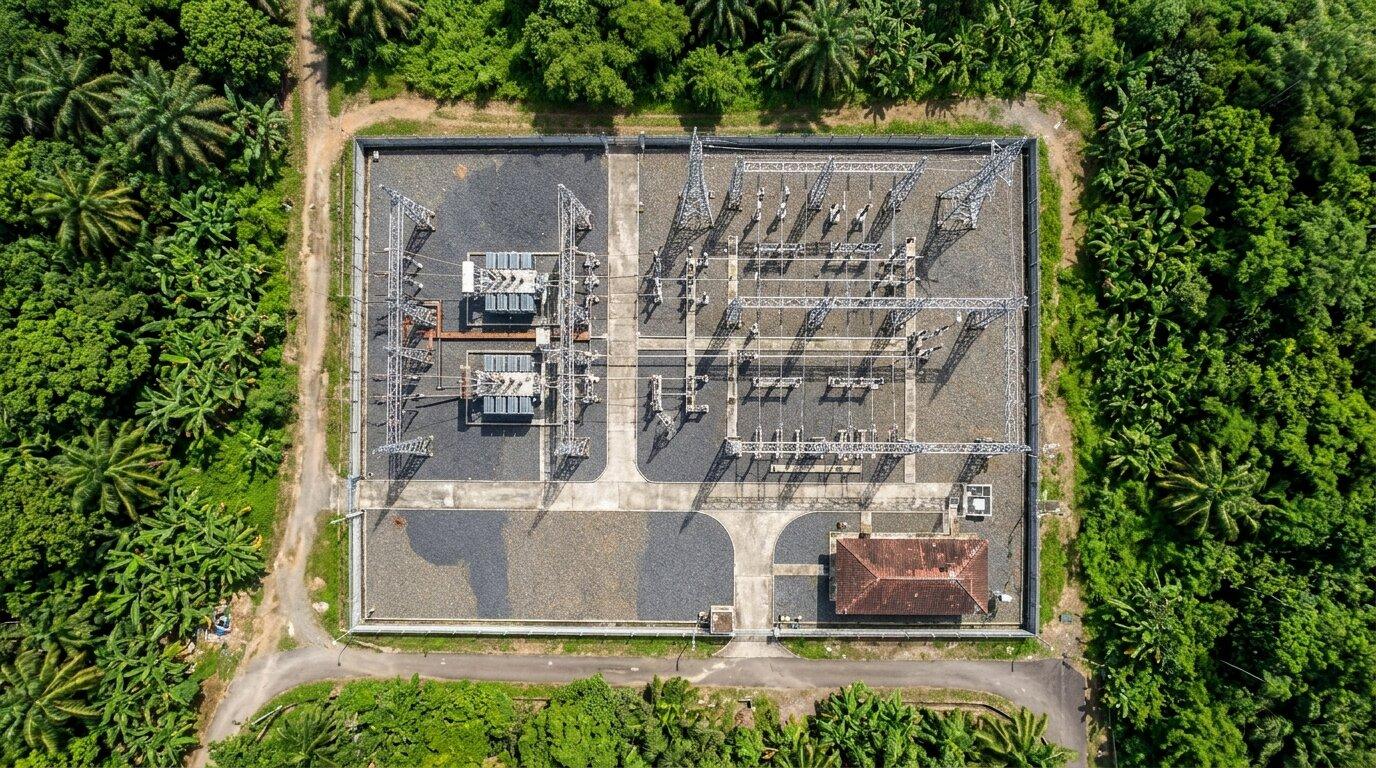
Why the grid, not the land, decides AI sites in Indonesia
Land is easy to find. A firm connection date is not. How to test power before you buy.
5 min read
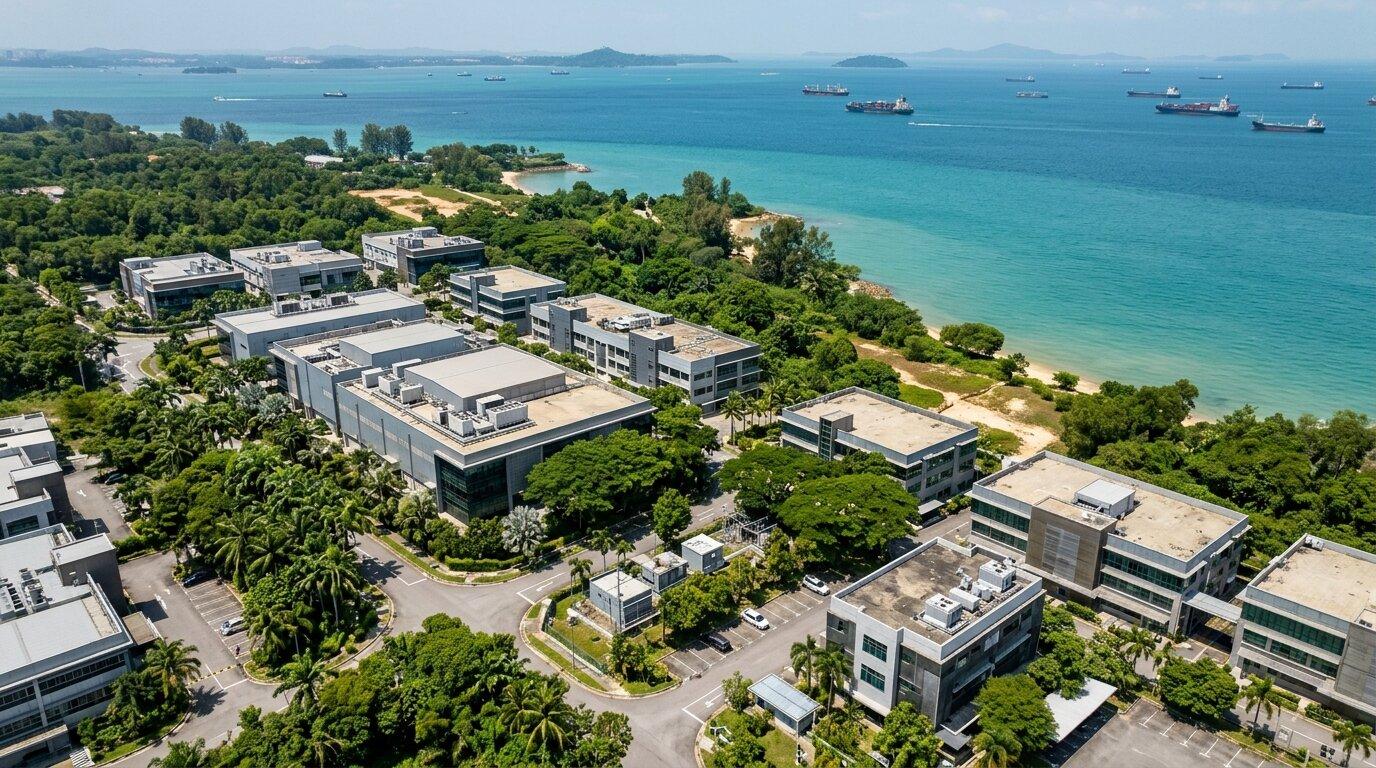
Batam or Jakarta? Choosing where to build a data centre
Latency, land, power and incentives compared for Indonesia's two best-known data centre markets.
5 min read
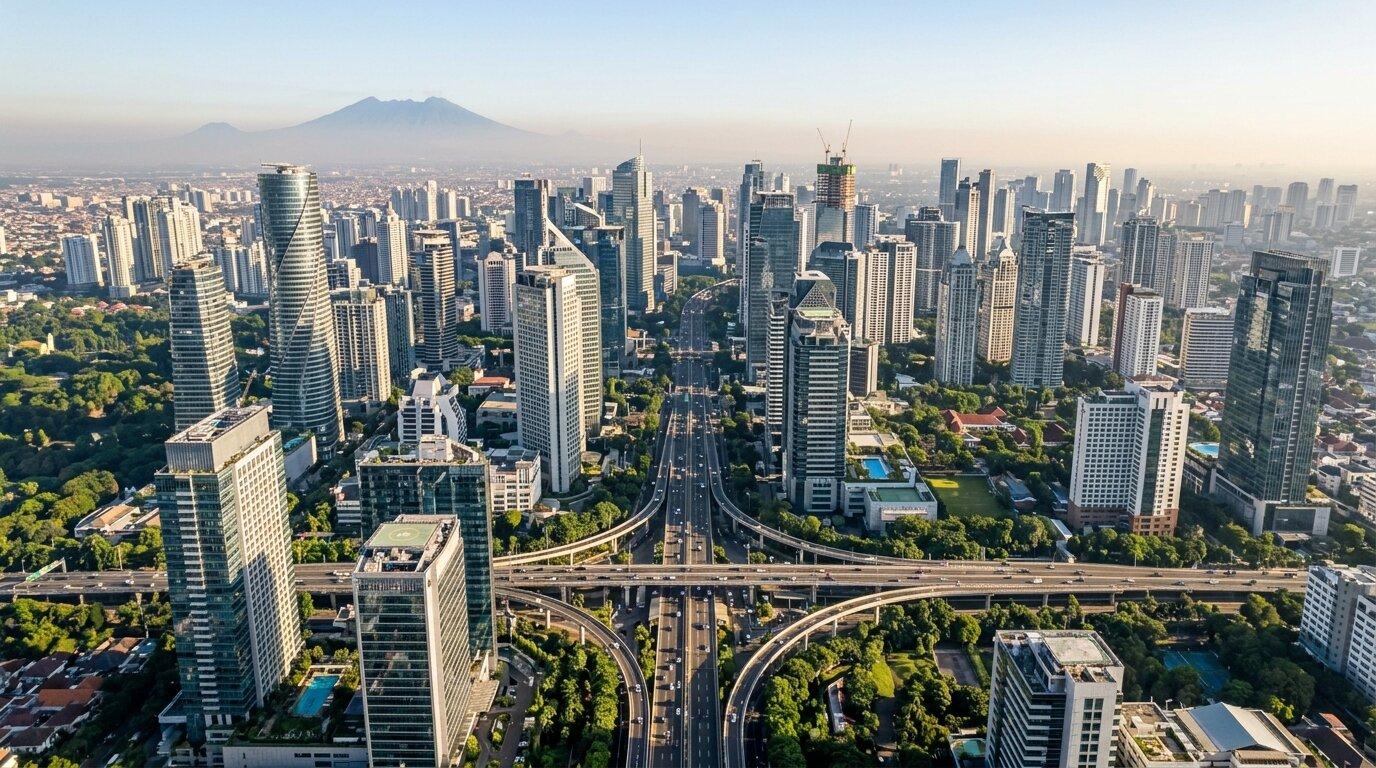
HGB, OSS and KBLI: the licences behind a data centre in Indonesia
A plain-English guide to land title, company set-up and licensing for foreign investors.
Have a site in Jakarta?
Tell us what you have. We'll tell you plainly whether it can carry an AI campus, and what it would take.