For most data centre investors looking at Indonesia, the first decision is not which site but which market. Two names come up first: Greater Jakarta, including the industrial corridor running east into West Java, and Batam, the island across the strait from Singapore. Both are real options. They serve different customers and carry different trade-offs.
The case for Greater Jakarta
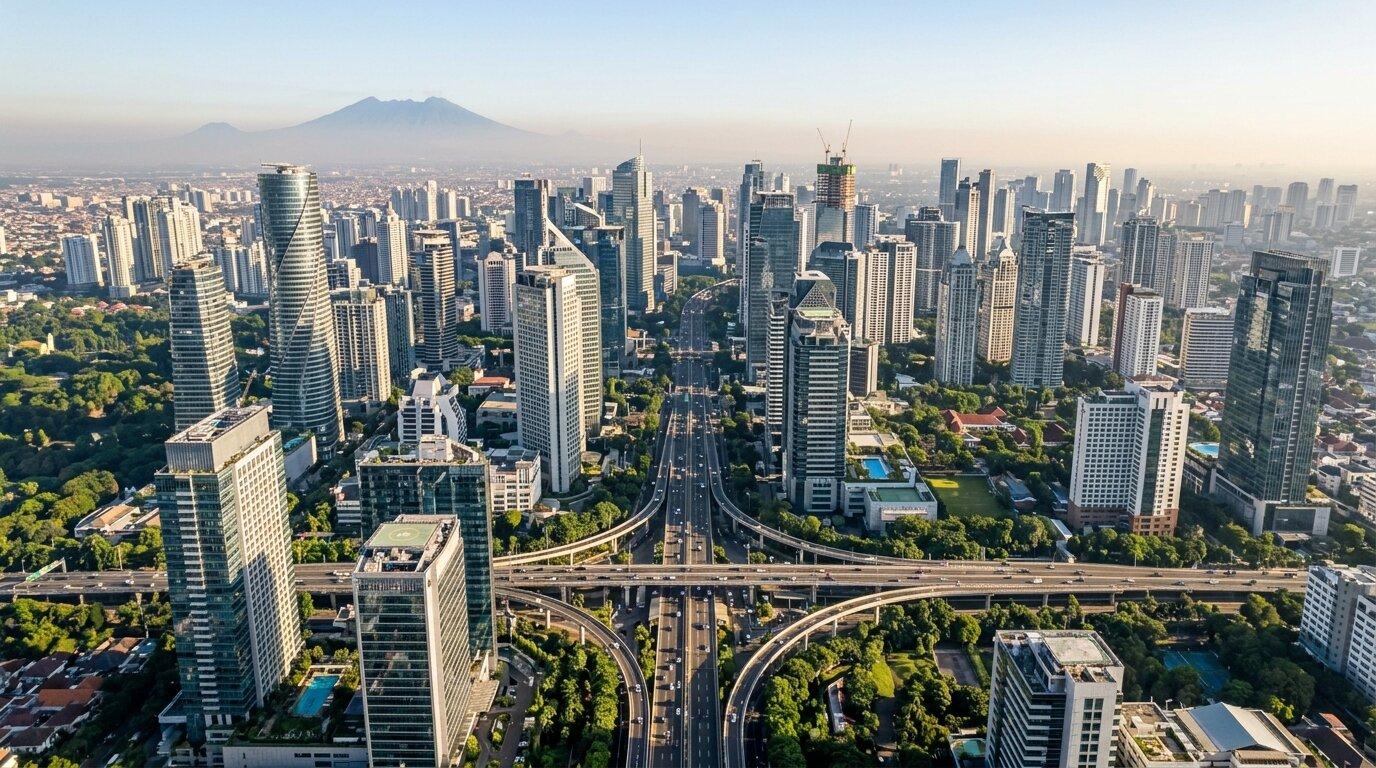
Jakarta is where Indonesian demand is concentrated. The capital region hosts the head offices of most large companies, banks and government bodies, and Java is home to more than half of the country's 280 million people. Global cloud providers run cloud regions in Jakarta, and the main carriers and internet exchanges are there too.
For workloads that serve Indonesian users, that closeness matters. Lower latency, easier interconnection with carriers and clouds, and access to the largest pool of enterprise and public-sector customers all point to Jakarta. Public-sector data that must stay in the country under GR 71 of 2019 tends to gravitate there as well.
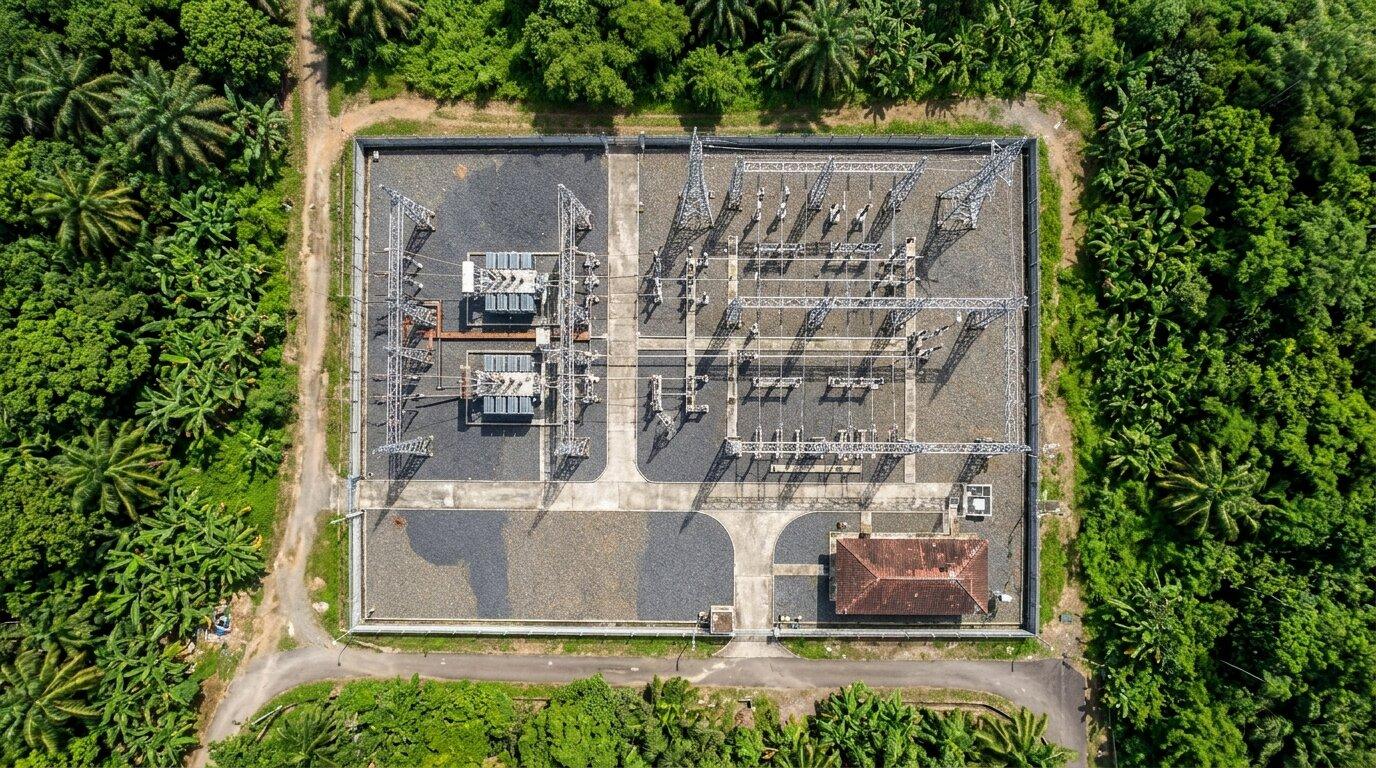
Land is available in the estates east of the city, along the toll road towards Bekasi, Cikarang and Karawang, and the Java-Madura-Bali grid is the country's largest power system. The challenges are those of any busy market: competition for powered land, substations that are already spoken for in some areas, congestion, and higher prices close to the city. Our page on Greater Jakarta & West Java goes into more detail.
The case for Batam
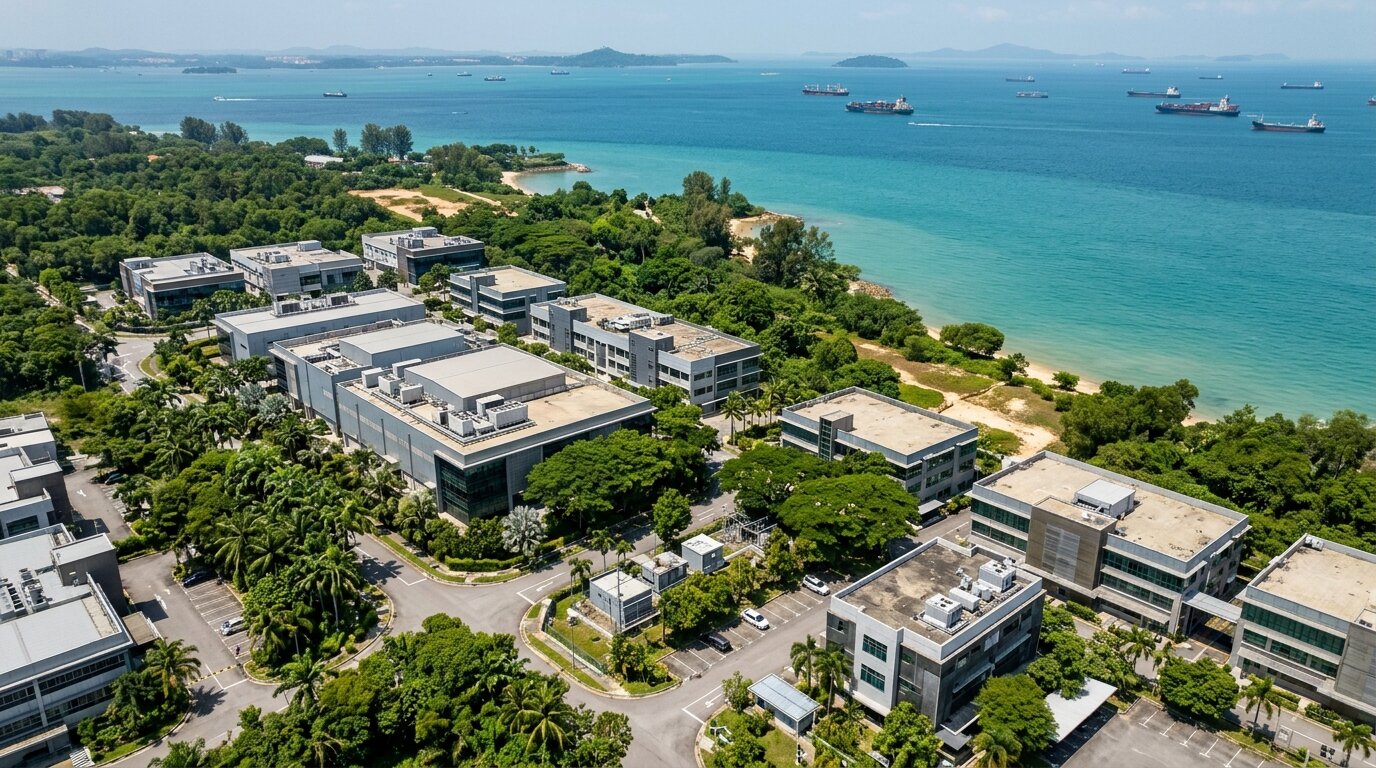
Batam's strength is its position. It is about an hour by ferry from Singapore, with subsea cable links across the strait. Singapore paused new data centre construction between 2019 and 2022 and now allocates new capacity selectively, which has pushed demand for nearby capacity towards Johor in Malaysia and towards Batam.
Batam, Bintan and Karimun form a free trade zone, which eases the import of equipment, and Nongsa Digital Park on Batam is a special economic zone with its own incentives. For operators serving regional customers, or Singapore-based businesses that want capacity close at hand, that combination is hard to match.
The trade-offs are scale and distance from Indonesian users. Batam's power system is separate from Java's, so very large loads depend on what can be supplied on and around the island. Land is more limited than on Java. And for workloads that serve users on Java, Batam adds distance compared with a Jakarta site.
Side by side
- Customers. Jakarta: Indonesian enterprises, government and cloud on-ramps. Batam: regional and Singapore-linked demand, plus Indonesian workloads that can tolerate the distance.
- Latency. Jakarta: closest to most Indonesian users. Batam: closest to Singapore.
- Power. Jakarta: the largest grid, but capacity varies sharply from one substation to the next. Batam: an island system, so large loads need careful planning.
- Land. Jakarta: plenty of estate land, priced higher nearer the city. Batam: more limited, often inside designated parks and zones.
- Incentives. Jakarta: standard investment incentives, with special economic zones on Java worth checking. Batam: free trade zone status, plus special economic zone benefits in designated areas.
- Connectivity. Jakarta: carriers, exchanges and cloud regions on the doorstep. Batam: short links to Singapore and its subsea cables.
- People. Jakarta: the deepest specialist workforce. Batam: a strong industrial workforce, with a smaller data centre talent pool.
- Data rules. Both are in Indonesia, so both meet data residency requirements.
Connectivity and people
Fibre matters as much as power. In Jakarta, a new campus can usually reach several carriers, the main internet exchanges and the cloud regions, though diverse routes into a particular estate still need checking. In Batam, the value lies in the links across the strait to Singapore and onwards to the region's subsea cable network. Either way, ask for at least two physically separate fibre routes into the site, and confirm who can actually deliver them.
Operations need people. Greater Jakarta has the deepest pool of data centre engineers, electricians and facility managers in the country, along with the contractors and suppliers that support them. Batam has an established industrial workforce and easy access to Singapore's supply chain, but a smaller pool of specialist data centre staff. Plan hiring and training early in either market, and budget for it.
Beyond the two obvious answers
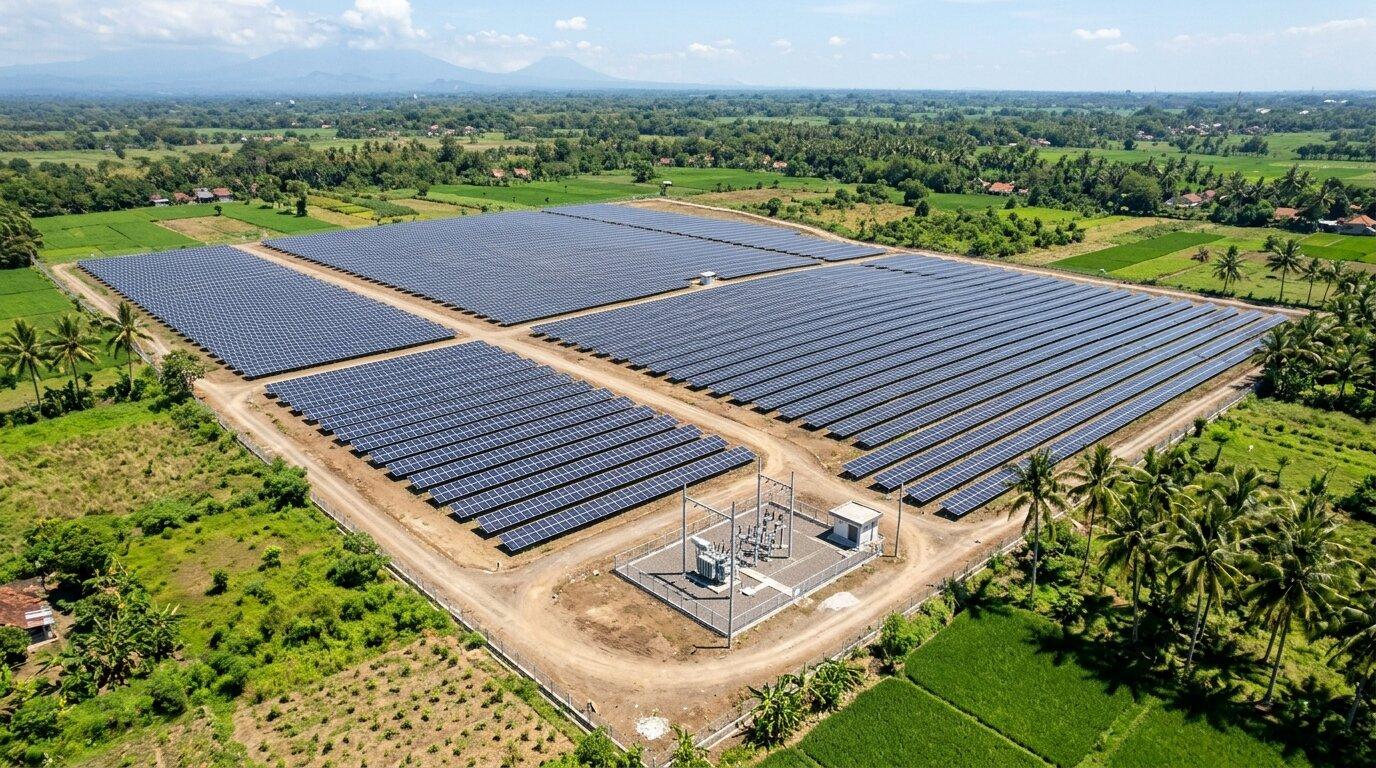
Jakarta and Batam are not the only options. Central and East Java offer industrial land and ports outside the capital, on the same Java grid. Sumatra has geothermal and hydro resources that make power-led sites worth studying over the long term. These markets are earlier-stage, but for large AI campuses that need power more than proximity, they deserve a place on the long list.
Questions to settle before you choose
- 1.Who are the customers, and where are their users?
- 2.What latency does the workload really need? Training clusters and consumer-facing inference give very different answers.
- 3.How much power is needed at full build-out, not just in phase one?
- 4.Which incentives apply to your structure, and what conditions come with them?
- 5.Do you need one site, or a pair that serves different markets?
- 6.Where will the operations team come from, and how will it be trained?
Answering these honestly usually narrows the field quickly. A hyperscale region serving Indonesian consumers will almost always land near Jakarta. A regional platform that wants to sit beside Singapore will look hard at Batam. A training cluster with flexible latency needs has the widest choice of all, and should let power availability lead.
What this means for you
If your customers are Indonesian, start in Greater Jakarta and test the grid hard. If they are regional or Singapore-linked, Batam deserves serious study. If you are building for AI training at scale, widen the search to wherever power is strongest. Either way, let site-level evidence make the decision. Talk to us about a shortlist, or check a site you already have in mind.