Skip to content
Infrastructure
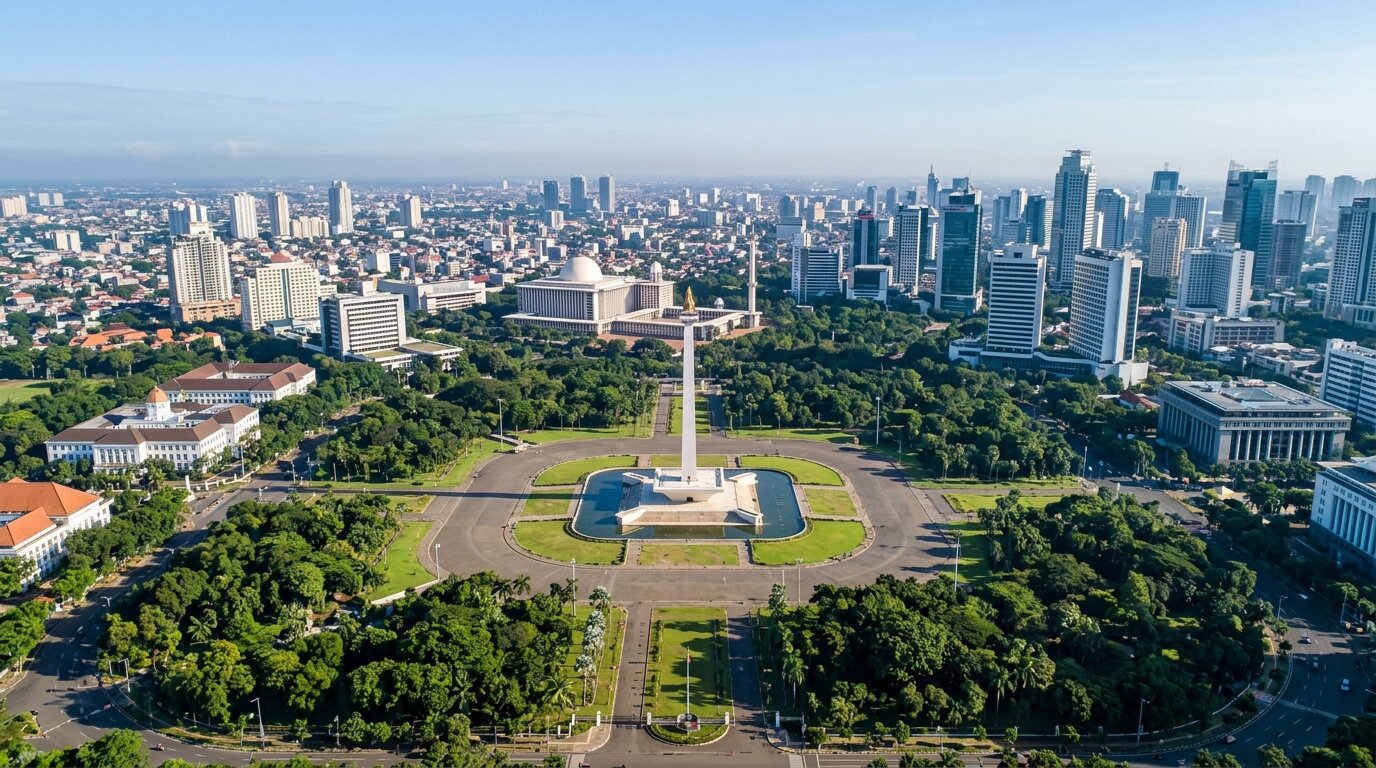
Merdeka Square and the National Monument in central Jakarta

Data centre licensing, permits and approvals in Indonesia

Licences rarely make headlines, but they decide whether a project starts on time. We map the approval path at the start and work it with trusted legal partners.

Government, 5 of 6

Licences, zones and the people who approve them.

Building a data centre in Indonesia means working with ministries, regional governments, PLN, industrial estate managers and, in some places, special economic zone authorities. Each has its own process. Most delays come not from any single step being hard, but from steps taken in the wrong order or under the wrong structure.

We plan the whole path before the first application is filed: the company structure, the business classifications, spatial and environmental approvals, building permits and any incentives. Then we keep it moving alongside the land, grid and design work, so nothing waits on paperwork that could have started months earlier.

What we secure

  • Company structure for foreign investors (PMA)
  • OSS licensing under the right KBLI codes
  • Environmental approvals (AMDAL)
  • Special economic zone incentives where they fit

Where projects stall

A licence filed under the wrong classification can send a project back to the start. We settle the structure before anything is filed.

Setting up the right company

Foreign investors usually build through a foreign-owned limited company, a PT PMA. How that company is set up, who its shareholders are and which business activities it registers all affect what it can hold, which licences it can obtain and how it brings in capital.

Some projects work better as joint ventures with Indonesian partners, especially where land, local relationships or public-sector customers are involved. We help investors weigh the options with legal and tax advisers before anything is registered.
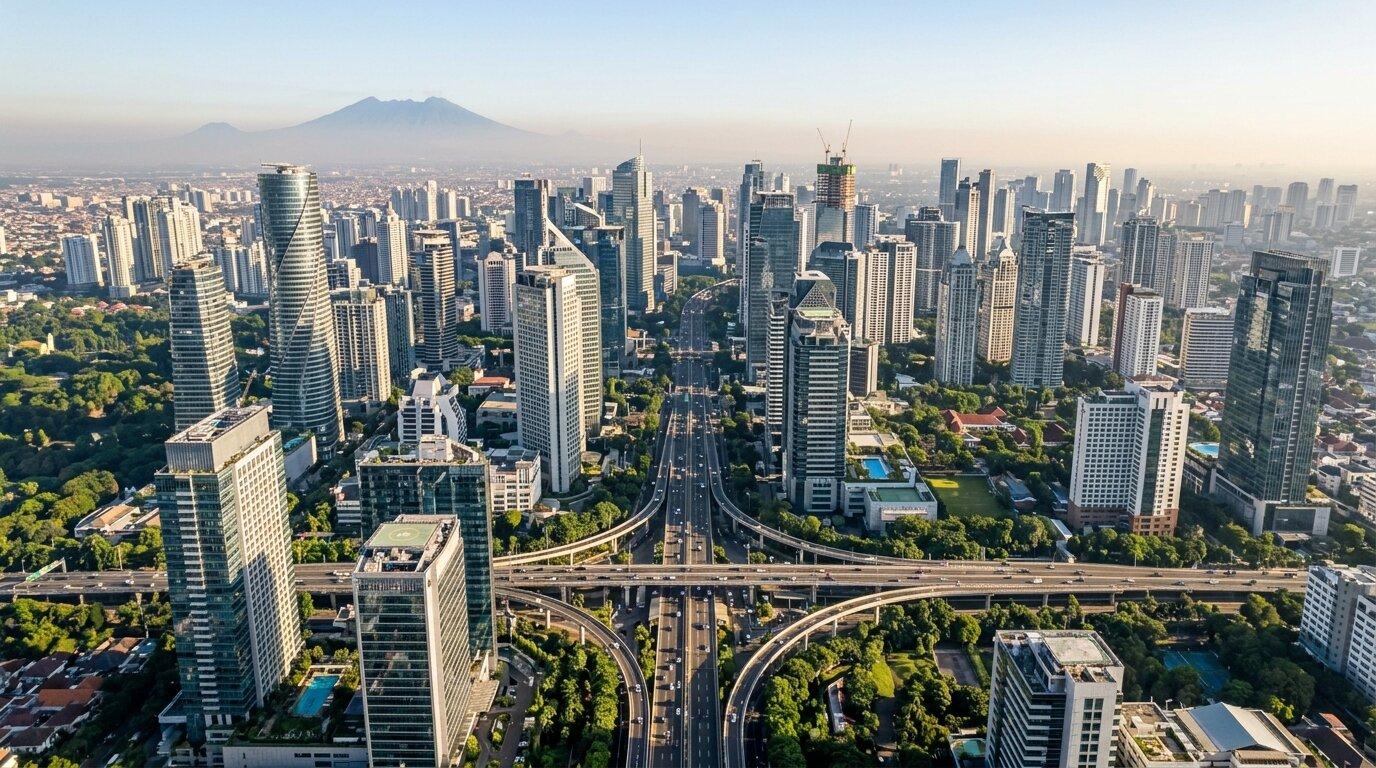
The Sudirman business district in Jakarta on a clear morning

Licensing through OSS

Business licensing in Indonesia runs through the OSS system, which sets requirements according to the risk of each activity. Every activity is registered under a business classification code, known as KBLI. Choosing the right codes at the outset matters, because they decide which licences and standards apply later.

Alongside the business licence, a project needs spatial conformity approval for the site, a building approval (PBG) for the design and an environmental approval: an AMDAL for larger projects or a UKL-UPL for smaller ones. A certificate confirming the building is fit for use (SLF) follows construction.

Our guide to HGB, OSS and KBLI explains each step in plain English, and the glossary defines the terms.

  • Business identity: company registration and the business identification number (NIB)
  • Activities: the KBLI codes that match the data centre and any cloud or hosting services
  • Site: spatial conformity approval for the plot
  • Building: PBG approval before construction and SLF after it
  • Environment: AMDAL or UKL-UPL, depending on scale

Data rules that shape demand

The Personal Data Protection Law (Law No. 27 of 2022) came fully into force in October 2024. Government Regulation 71 of 2019 requires public-sector electronic systems to keep their data in Indonesia, while private-sector operators may store data offshore under conditions. Together, they mean more data has to be stored and processed on Indonesian soil.

We follow these rules closely because they shape who buys capacity. Public bodies, banks and other regulated industries are among the customers most likely to need data centres in the country. Our public sector page covers that work.

Special economic zones and incentives

Special economic zones (KEK) and free trade zones can offer tax, customs and licensing benefits. Batam, which lies in a free trade zone and is home to Nongsa Digital Park, a KEK for digital industries, is the best-known example for data centres.

Incentives help, but they should not choose the site on their own. We weigh them against power, land, latency and cost, and confirm the project genuinely qualifies before it counts on them.

What we check before we call Government secured

  • Company structure

    PT PMA, joint venture or local partner, and what each one allows.

  • Business classification

    The KBLI codes the project needs now and as it grows.

  • Spatial approval

    Whether the site's zoning supports the use, and what the approval requires.

  • Environmental approval

    Whether AMDAL or UKL-UPL applies, and the studies behind it.

  • Building approval

    PBG requirements for the design, and SLF on completion.

  • Incentives

    Whether a special economic zone, free trade zone or tax facility truly applies.

What you get

Want a quick read first? The site check scores your project against all six Gs in two minutes.

Check a site against the six
  • An approval map from company set-up to operation
  • A recommended structure, prepared with legal and tax partners
  • A licence and permit schedule tied to the construction plan
  • Introductions to the officials and agencies involved
  • Regular status reports until every approval is in hand

Questions we're often asked

Can a foreign company build a data centre in Indonesia?

Yes. Foreign investors usually build through a foreign-owned company (PT PMA), registered through the OSS system under the right business classifications. Land is then held on a right to build (HGB).

What is OSS?

OSS is Indonesia's online single submission system for business licensing. It assigns licences and standards according to the risk of each business activity.

What is a KBLI code?

KBLI is the Indonesian standard business classification. Each activity a company carries out is registered under a KBLI code, which decides the licences and requirements that apply.

Does a data centre need an environmental approval?

Yes. Larger projects need an AMDAL, a full environmental impact assessment. Smaller ones may need a UKL-UPL instead. The scale and location of the project decide which.

Do special economic zones help data centres?

They can, through tax, customs and licensing benefits. Batam's free trade zone and Nongsa Digital Park are the best-known examples. We check that a project truly qualifies before relying on them.

Do you replace our lawyers?

No. We work alongside qualified Indonesian legal and tax advisers. Our role is to plan the path, keep it in step with the rest of the project and make the right introductions.

Next of the six Gs

Growth

A campus is only worth building if someone will use it.

Have land, power or capital in Indonesia?

Tell us what you have. We'll tell you plainly whether it can carry an AI campus, and what it would take.